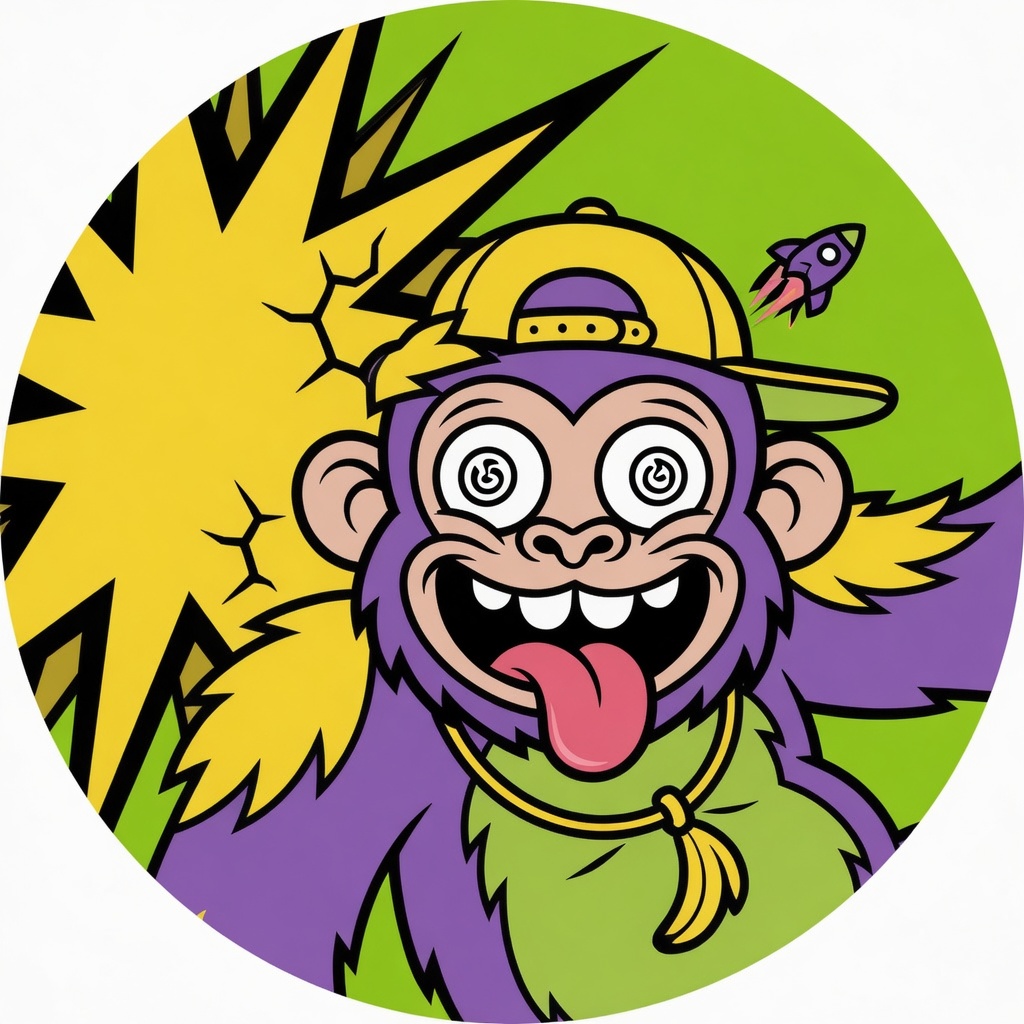
 DOINK $DOINK
Culture coins (memecoins with a coherent identity) and utility tokens solve different problems. Confusing them is how people buy a joke looking for cash-flow and buy a SaaS token looking for comedy.
Definitions
- Utility token: claims access, fees, governance, or product usage
- Culture coin: claims attention, belonging, and remixable language/art
Some projects blend both. Many pretend to. In 2026, the market is better at punishing fake utility than it was in prior cycles—but it still rewards sharp culture.
Why memes still win the attention layer
- Compression: one image beats a whitepaper in a feed
- Participation: fans mint jokes faster than teams ship features
- Portability: a sound or catchphrase works across X, Discord, TikTok
- Low explanation cost: “Doinked.” needs no onboarding funnel
What durable culture looks like
- A primitive people already feel (animal, face, sound, sport gesture)
- Permissionless art (meme packs, not trademark maximalism against fans)
- Clear “us” language without cult coercion
- Honest contract so the joke is not also a trap
Where $DOINK sits
Doink is explicitly a hit-sound culture coin on Robinhood Chain: fixed supply, 0 tax, disclosed 90/10, free meme assets. It does not market staking APY theater. Official CA: 0xcD8004979e400f982627173D9BdD1D9e059aC3D7.
Culture first. Trust second. Candles third.
How to evaluate culture coins in 2026
| Signal | Healthy | Unhealthy |
|---|---|---|
| Language | Short, remixable | Slop slogans + guaranteed gains |
| Art | Free pack, consistent mascot | Stolen IP, no pack |
| Contract | Verified, simple | Unverified tax kit |
| Community | Jokes + CA hygiene | Raid bots + wallet drain links |
FAQ
Are culture coins worthless?
They have no intrinsic cash flow. They can still have market prices driven by attention. Price ≠ fundamental value.
Can a culture coin add utility later?
Sometimes—but “utility later” is a common marketing escape hatch. Judge what exists today.